What to Do Immediately After a House Fire
Updated Jun 2026
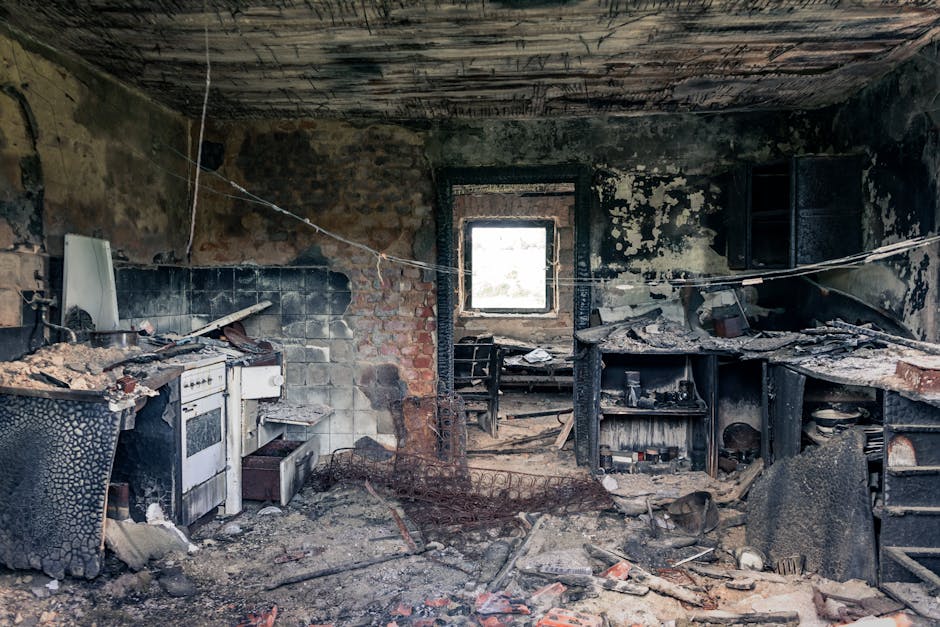
Photo by F. Hektor on Pexels (Pexels License)
A house fire upends everything in moments. Once the flames are out and everyone is safe, it's hard to know where to begin. The actions you take early on protect your safety, your property, and your insurance claim. Here is a clear, practical guide to the steps that matter most after a fire at your home.
Make sure everyone is safe and accounted for
Your first priority is people, not property. Confirm that everyone — family members and pets — is out and unharmed. Do not go back inside a fire-damaged building until the fire department says it is safe. Structures can be unstable, and lingering smoke, soot, and gases pose real hazards even after the visible fire is gone.
Wait for the all-clear before re-entering
Firefighters need to confirm the fire is fully out and the structure is safe. Heat can hide inside walls, and weakened floors or ceilings may not be obvious. Let the professionals clear the property first. When you do go in, watch for damaged stairs, sagging ceilings, and electrical hazards.
Contact your insurance company
Reach out to your insurer as soon as you reasonably can to open a claim. The faster the process starts, the sooner an adjuster can assess the damage. Ask what your policy covers, whether it includes temporary lodging, and what documentation they need. Keep a notebook or phone note of every conversation, including names and dates.
Document the damage
Before anything is cleaned or thrown away, photograph and video the damage room by room. Capture both wide shots and close-ups of damaged belongings and structure. This record supports your claim and helps a restoration company scope the work. Do not discard damaged items until your insurer advises, since they may need to see them.
Secure the property
A fire often leaves broken windows, open roofs, or unlocked entries that expose your home to weather and intrusion. Boarding up openings and tarping the roof prevents further loss. Many fire damage restoration companies offer emergency board-up as a first step and can come to you quickly to stabilize the structure.
Protect your health
Soot and smoke residues are not just dirty — they can irritate skin, eyes, and lungs. Avoid handling sooty surfaces without protection, and don't run the HVAC system, which can spread residues through the building. Resist the urge to start scrubbing walls yourself; improper cleaning can drive soot deeper and make professional restoration harder.
Call a fire damage restoration professional
Fire damage is layered — charred structure, smoke odor, soot, and water from firefighting all need different treatment. A professional restoration company assesses the full picture, prevents secondary damage like mold, and works alongside your insurer. Because these companies come to you, you can request an on-site assessment quickly and get a written scope of the work.
Take care of the essentials
Gather identification, medications, and critical documents if you can do so safely. Arrange temporary housing if your home is uninhabitable, and let close contacts know you're safe. Recovering from a fire is a process, and leaning on professionals and your support network makes the road back more manageable.
Acting thoughtfully in the hours after a fire sets up a smoother recovery. Prioritize safety, document everything, secure the property, and bring in qualified help — and you'll be in a stronger position to rebuild.